

There are sensible ways to compare watches. You can line up movements, measure cases, compare crystals, count hours of power reserve and argue about accuracy until everybody involved quietly regrets bringing the subject up.
Then there is the way watch collectors actually talk.
“Swiss or Japanese?”
That question sounds simple, but it opens up almost everything that makes watches interesting: heritage, engineering, design, value, snobbery, marketing, national identity and the slightly irrational reasons we all end up loving one watch more than another.
At White Rose Watch Co., this is not a theoretical argument. Richard generally prefers Swiss watches. He owns a Swatch and a Furlan Marri, and is naturally drawn towards the Swiss side of the cabinet. Nick is firmly more Japanese in taste and owns a Seiko, a Casio and a Citizen — although, just to make the argument inconvenient, he also owns a Hamilton and a Tissot PRX Powermatic 80. In fact, the PRX was his first ‘proper watch’.
So this is not going to be one of those articles where we pretend there is an objective winner. It is a conversation between two collectors who genuinely lean in different directions.
First problem: what does “affordable” actually mean?
In watches, “affordable” is one of the most abused words in the English language. A magazine will casually describe a £2,500 watch as an affordable entry point, while most normal people are wondering whether £300 is already quite a lot to spend on something when their phone tells the time.
For this article, we are thinking broadly about the territory from genuinely inexpensive watches up to the lower end of luxury: Casio and Swatch at one end; Orient, Seiko, Citizen, Tissot and Hamilton through the middle; then King Seiko and the more attainable edges of brands that take us beyond what most people would call affordable.
We are also going to talk about Grand Seiko and TAG Heuer, even though neither really belongs in a strict “under £1,000” conversation. Why? Because they tell us something important about where the Swiss and Japanese philosophies eventually lead.
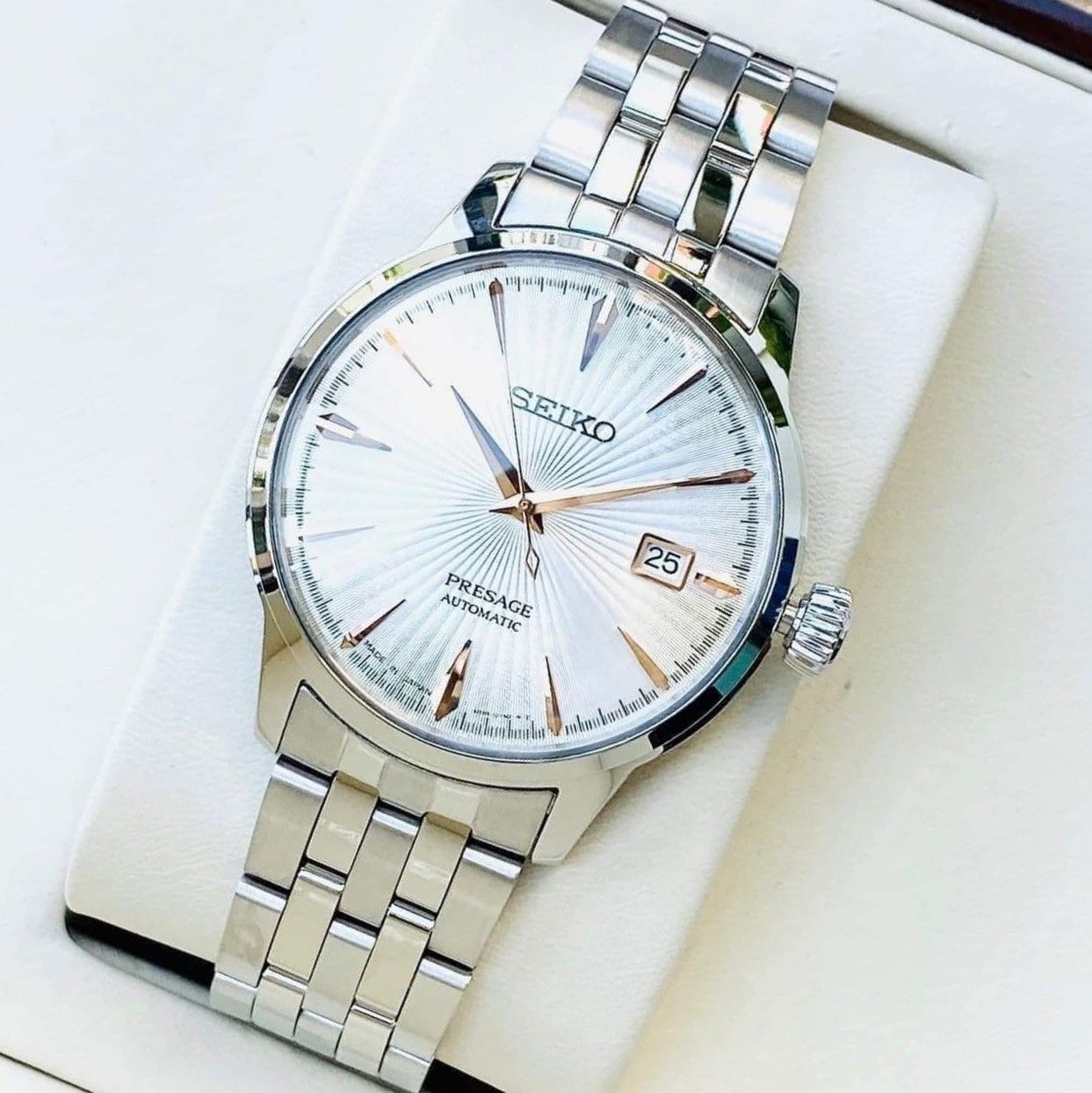
Seiko Presage Cocktail Time - internet wrist shot chosen for the Cocktail Time dial style.
The Japanese case, in one watch: Seiko Presage Cocktail Time
If Nick had to explain the appeal of Japanese watches to somebody using one affordable collection, Seiko Presage Cocktail Time would be a very strong place to start.
The obvious reason is the dial. Seiko has a habit of putting absurdly good dials into watches that cost far less than the visual effect suggests they should. Cocktail Time models are deliberately inspired by cocktails and bar culture, and the best examples catch light in a way that product specifications simply cannot communicate.
This is one of the great strengths of Japanese watchmaking at this level. You often feel that somebody in the design team was allowed to care about one slightly obsessive detail. A sunburst pattern. A texture. A hand shape. A colour that looks completely different near a window than it does under artificial light.
Are they perfect? No. This is where we think watch writing should be more candid. Seiko can frustrate enthusiasts with Hardlex crystals at prices where sapphire would be welcome. Bracelet quality is not always the strongest part of the package. Alignment complaints have become almost a genre of internet discussion in their own right.
And yet — put a good Cocktail Time on the wrist and a lot of those arguments become strangely less important. It has character. We would rather own a slightly imperfect watch that makes us keep looking at the dial than a technically flawless watch that leaves us cold.
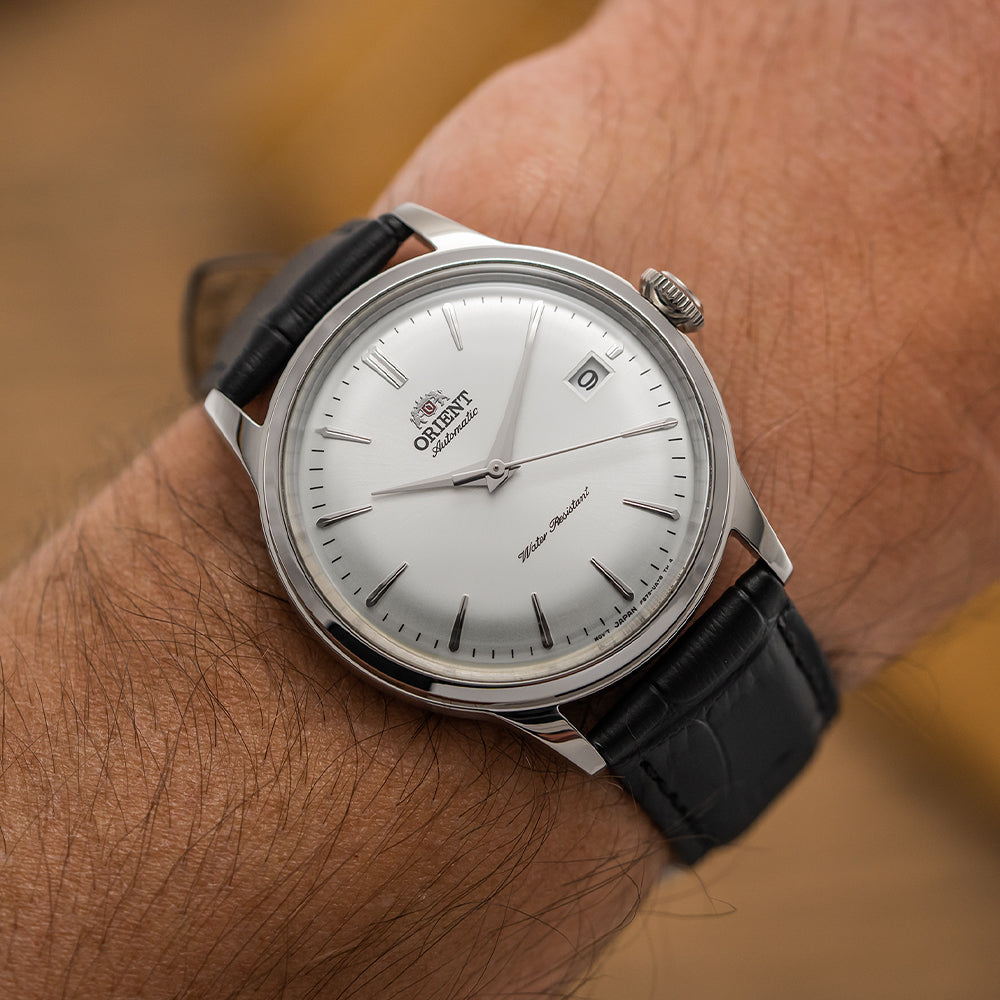
Orient Bambino 38mm - internet wrist shot chosen for the Bambino dress-watch style.
Orient Bambino: the watch that makes Swiss pricing awkward
The Orient Bambino is one of those watches that keeps appearing in recommendations because it is genuinely difficult to ignore.
You get a proper Japanese automatic watch from an established manufacturer, classic proportions, a domed crystal, a dress-watch look and, in many versions, an in-house movement. The 38mm models in particular answer one of the long-running criticisms of earlier Bambinos: some people simply wanted the same idea in a more traditional size.
What we like about Orient is that it rarely feels as though it is trying to win an argument through branding. A Bambino does not need you to explain to everybody in the room that it is expensive. It just sits there looking far more elegant than its price has any right to suggest.
This is where Japan is brutally strong. At roughly the price of an entry-level Swiss fashion-conscious piece, the Japanese brands can offer mechanical credibility that is difficult to dismiss.
But then Switzerland plays the PRX card
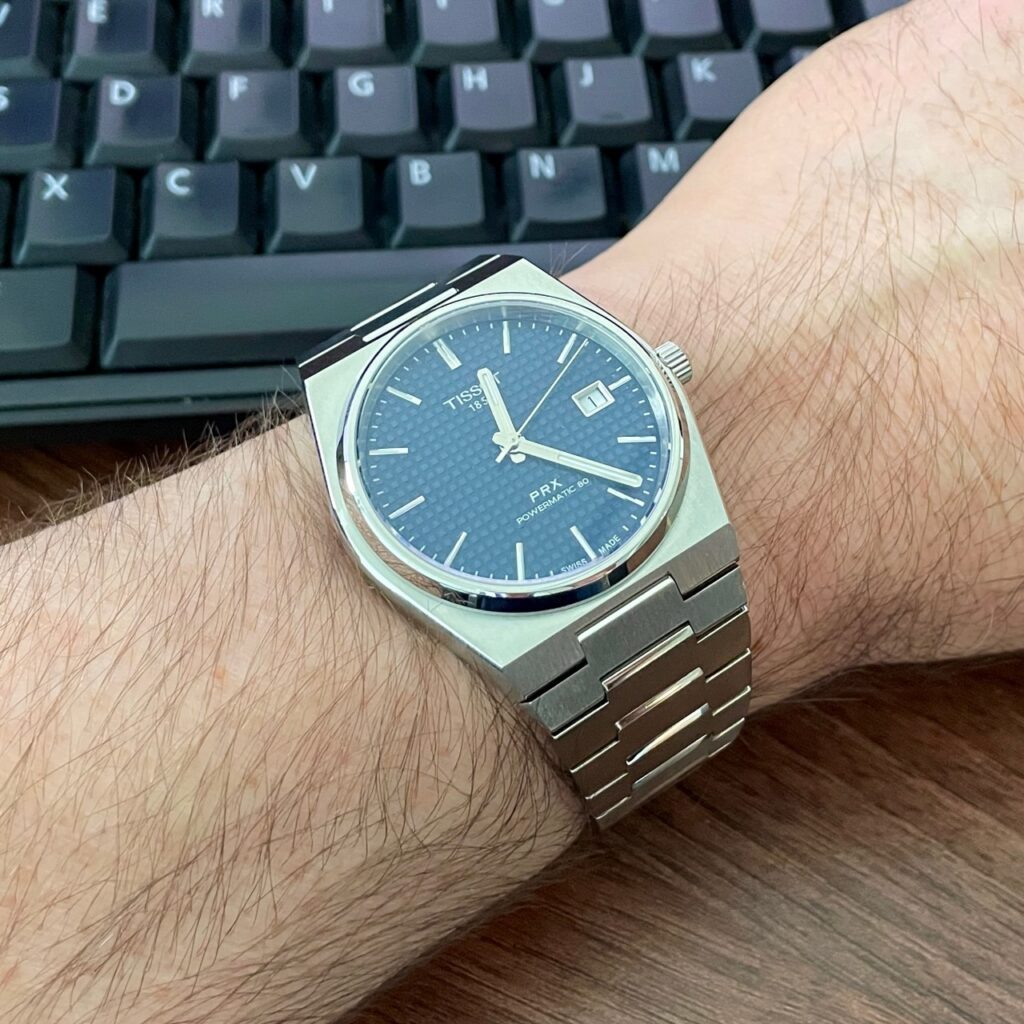
Tissot PRX Powermatic 80 - internet wrist shot chosen for the PRX integrated-bracelet shape and waffle dial.
We have talked about the Tissot PRX before because, frankly, it is impossible to have this conversation without it.
The PRX is probably the clearest modern example of Switzerland looking at the affordable market and saying: fine, we can do value too.
The integrated bracelet is the star. The case and bracelet flow together in a way that makes the watch feel like a complete object rather than a watch head with some steel attached. The Powermatic 80 automatic models add the textured dial and long power reserve that helped turn the PRX into one of the defining watches of its price bracket.
Richard’s side of the argument gets very strong here. There is a sense of cohesion to a good affordable Swiss watch that can be hard to quantify. Tissot knows exactly what the PRX is. The branding, bracelet, movement story and 1970s design language all point in the same direction.
Nick’s relationship with the PRX is more personal than that: his Powermatic 80 was his first ‘proper watch’. It is the watch that pulled him further into collecting, and he still owns it. That matters because his preference for Japanese watches did not come from never giving Swiss watches a fair chance — one of the most important watches in his own collection is Swiss.
Annoyingly, that is a fair point.
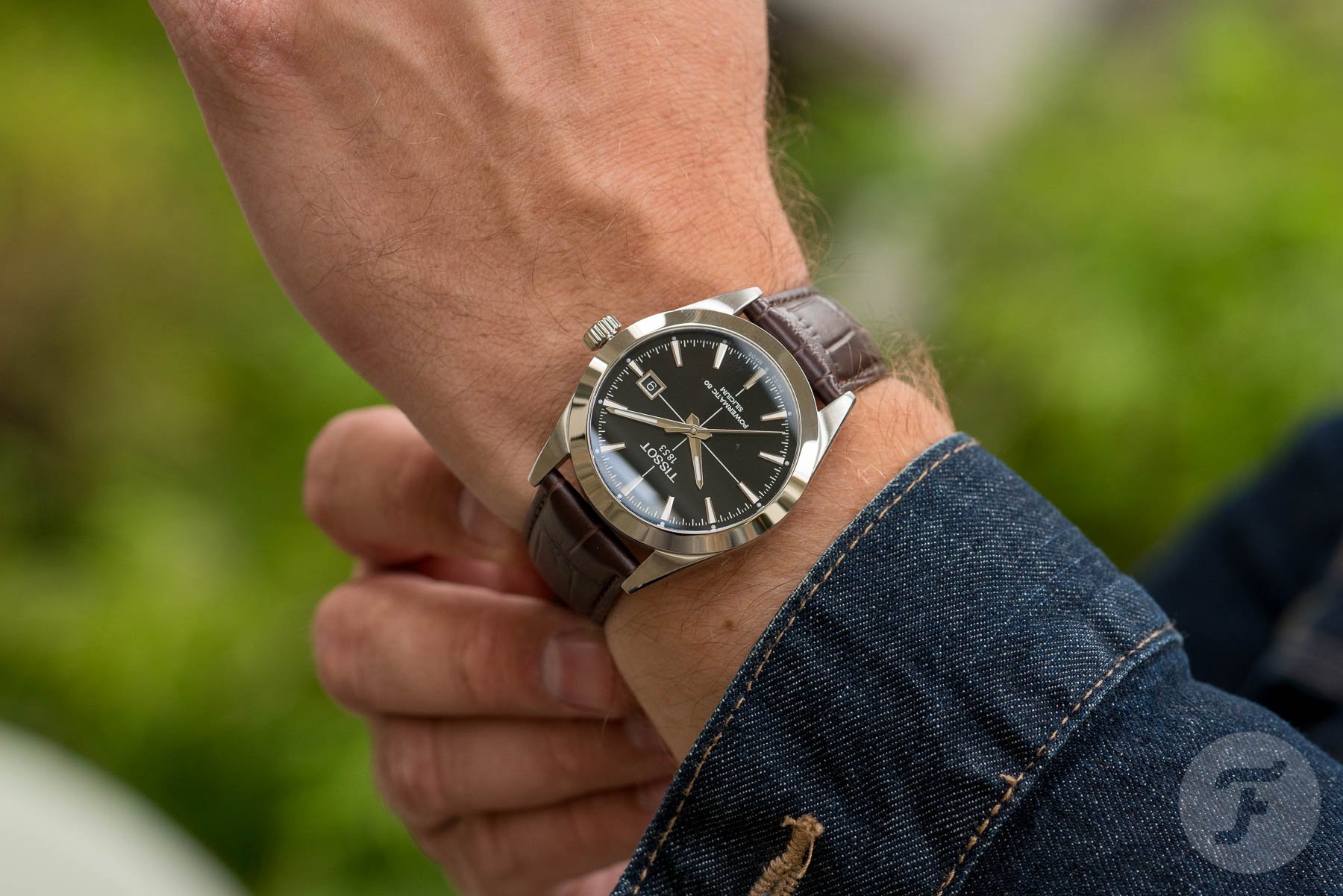
Tissot Gentleman Powermatic 80 - internet wrist shot chosen for the Gentleman case and blue dial style.
The Tissot Gentleman might actually be the more sensible Tissot
The PRX gets the attention. The Gentleman may be the watch we would recommend to somebody who wants one Swiss automatic to do almost everything.
It is less fashionable and arguably less exciting, but that is partly the appeal. A steel Gentleman on bracelet can sit with jeans, office clothes or something smarter without looking out of place. The Powermatic 80 movement gives it the same broad practical advantage of a long reserve, and selected models add silicon balance-spring technology.
If the PRX is the watch you notice in the shop window, the Gentleman may be the one you are still wearing ten years later.
Hamilton: Swiss made, American soul, and the watch that ruins Nick’s argument
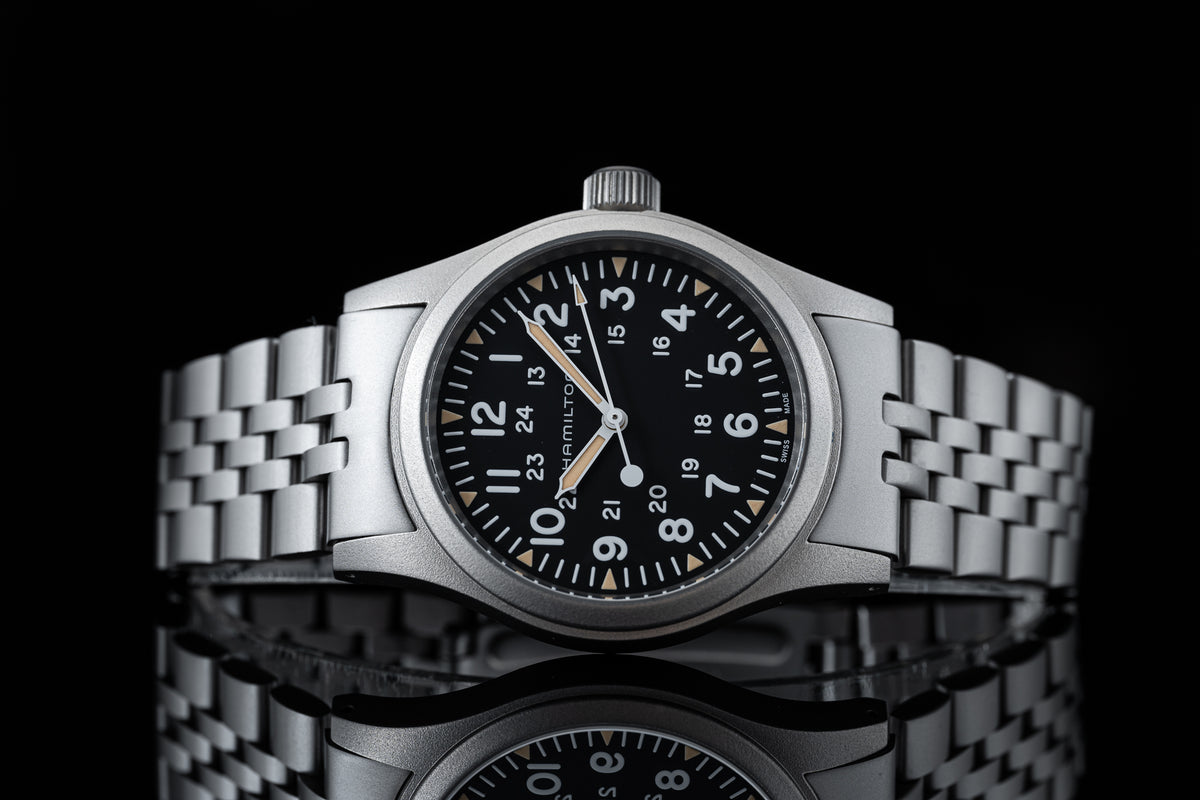
Hamilton Khaki Field Mechanical - internet wrist shot chosen for the field-watch dial style.
Here is the awkward bit for the supposed Japanese loyalist: Nick owns a Hamilton as well as his PRX Powermatic 80.
Hamilton is fascinating because it complicates the neat national stereotypes. The company has deep American roots and a history tied to railways, military watches and cinema, but modern Hamilton watches are Swiss made and the brand sits within the Swatch Group.
The Khaki Field Mechanical is probably the purest expression of why Hamilton works. It is not trying to look expensive. It is trying to look right.
Clear military-style numerals. A hand-wound movement. Sensible proportions. A design that feels connected to field watches without becoming costume jewellery for somebody pretending to be on active service while ordering a flat white.
We both rate Hamilton. That is perhaps the first major ceasefire in this article.
The Khaki Field also exposes one weakness in the idea that Japanese watches always offer better value. Value is not merely a spreadsheet. If a design has identity, history and proportions that make you want to wear it constantly, that matters. Hamilton is very good at selling watches that feel emotionally complete.
Swatch: Richard’s evidence that a watch does not have to be serious

Swatch Neon wrist shot from a watch-culture article, chosen for the playful colour and design language discussed here.
Richard owns a Swatch, which makes perfect sense when you understand his side of this argument. He also owns a Furlan Marri — a much more enthusiast-led choice that shows his Swiss preference is not simply about buying the biggest name on the dial.
Swatch is sometimes treated oddly by enthusiasts. Because many models are plastic, quartz and playful, people can mentally place them below “proper” watches. We think that misses the point completely.
Swatch helped transform the Swiss industry by embracing industrial production, colour, design and fun. It is also one of the few watch brands where being inexpensive is not something the product seems embarrassed about.
A Swatch can be loud. It can be disposable-looking on purpose. It can use graphics that would be ridiculous on a traditional dress watch. That freedom is the entire appeal.
Richard’s preference for Swiss watches is not simply a preference for conservative luxury. His Swatch is evidence of that. Switzerland can do sober, beautifully finished mechanical watches — but it can also make something joyful and weird.
Furlan Marri: Richard’s Swiss preference gets more interesting
Richard’s Furlan Marri is worth pausing on because it stops this becoming a lazy argument about famous Swiss logos. Furlan Marri is a young Geneva-based brand that became an enthusiast talking point through vintage-inspired design, close attention to proportion and a much more collector-led identity than the giant groups.
That ownership choice says quite a lot about Richard’s taste. He likes Swiss watches, yes, but not simply because “Swiss Made” is printed at six o’clock. The appeal is also design, detail and the sense that somebody behind the watch genuinely cared about the small decisions.
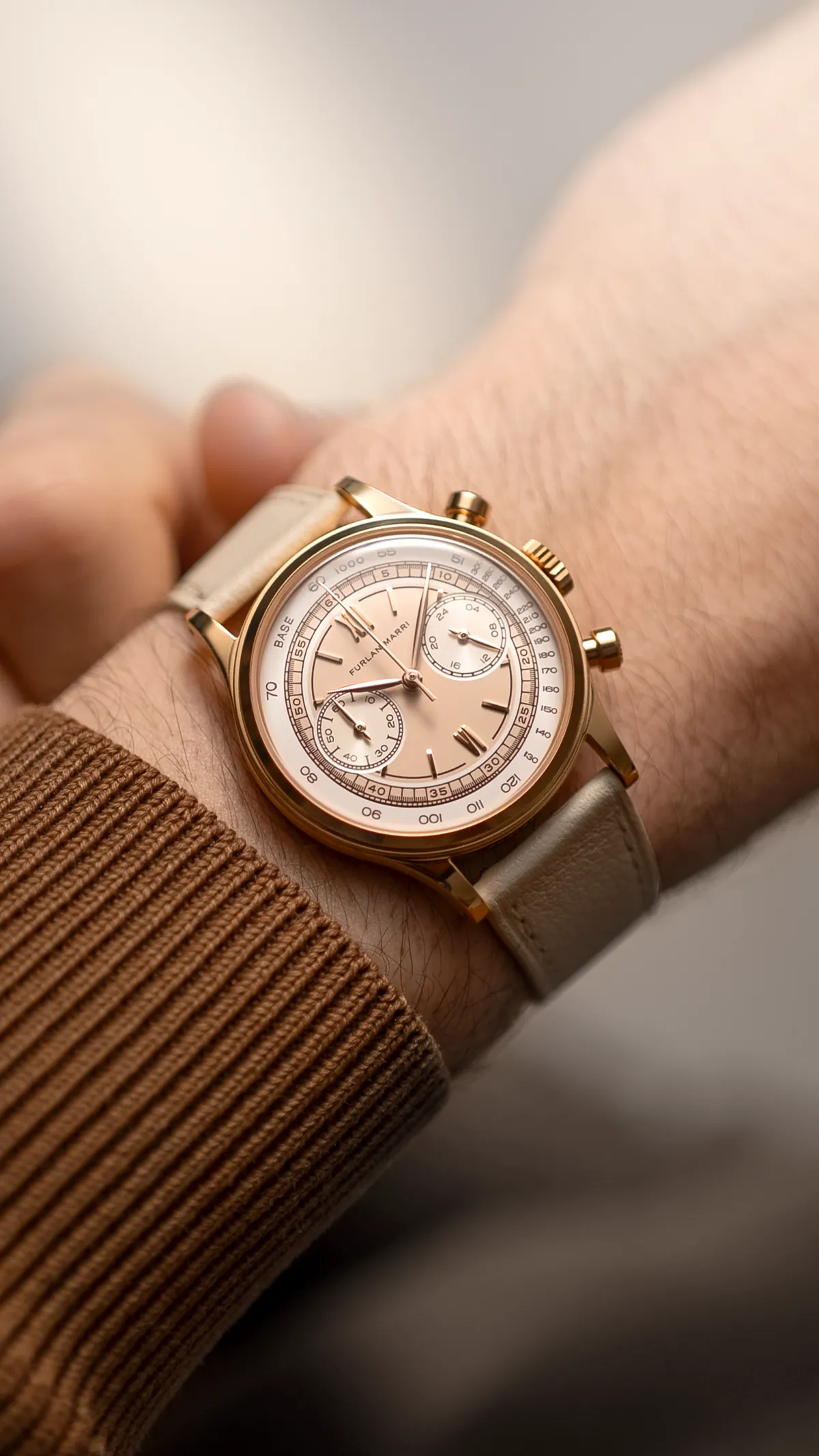
Official Furlan Marri Disco Onyx Diamonds image chosen for the independent Swiss design discussion.
Nick can respect that. He may still wander back towards Japan afterwards, obviously.
Casio: the Japanese argument becomes almost unfair
Nick owns a Casio, and at the genuinely affordable end of the market Casio is a problem for almost everybody else.
How do you compete with a company that can sell a watch for the price of a meal out, make it astonishingly reliable, give it a design recognised around the world and somehow turn cheap digital watches into enthusiast objects?
The F-91W is famous. The AE-1200 “Casio Royale” has a cult following. G-Shock created an entire design language around toughness. Higher up, Casio can become technically obsessive with radio control, solar charging, Bluetooth and elaborate case construction.
This is Japanese watchmaking in another form: not hand-finished romanticism, but relentless engineering and function.
There is also something refreshingly democratic about Casio. Nobody needs permission to enjoy one. A collector with a six-figure watch box can still genuinely love a £20 digital Casio.
Citizen: perhaps the most underrated giant in the room
Nick also owns a Citizen, and we think Citizen is routinely undersold in enthusiast conversations.
Eco-Drive alone is one of the strongest everyday-watch technologies ever put into mass production. Light powers the watch, which means you get quartz practicality without the normal rhythm of routine battery changes. For somebody who wants a watch to work rather than become a hobby, that is incredibly compelling.
Then Citizen does something interesting: it refuses to stay in one lane. You have Promaster tool watches, Tsuyosa automatics, higher-end mechanical pieces and serious movement manufacturing capability through the wider group.
The Tsuyosa is particularly relevant to this Swiss-versus-Japanese argument because it attacks the same broad buyer as the PRX while feeling completely different. The PRX is sharper and more controlled. The Tsuyosa is often more colourful, softer and slightly less self-serious.
Nick would take the Japanese personality. Richard would probably take the Swiss cohesion. This is why we have a business together rather than sharing one watch box.
King Seiko: where “affordable Seiko” stops being a simple phrase

King Seiko wrist shot chosen for the revived KSK-style case, restrained dial and Japanese finishing discussion.
King Seiko is where the Japanese side of the argument gets more complicated — and more interesting.
The name dates back to 1961. Historically, King Seiko formed part of a period when Japanese high-grade mechanical watchmaking was developing at remarkable speed. The modern collection was revived in 2022, and today it sits in a strange, fascinating position above mainstream Seiko but below Grand Seiko.
We like the idea of King Seiko enormously. The sharp cases, restrained dials and historical design language can be brilliant. But this is also where Japanese value stops being automatic.
At King Seiko money, buyers become more demanding. They start comparing movement specifications, bracelet finishing and brand prestige against Swiss alternatives. Suddenly “it’s a Seiko” can work both for and against the watch.
That tension is exactly why King Seiko is interesting. It asks whether buyers are willing to pay for Japanese design and finishing without the Grand Seiko name on the dial.
Grand Seiko: the point where the old hierarchy falls apart
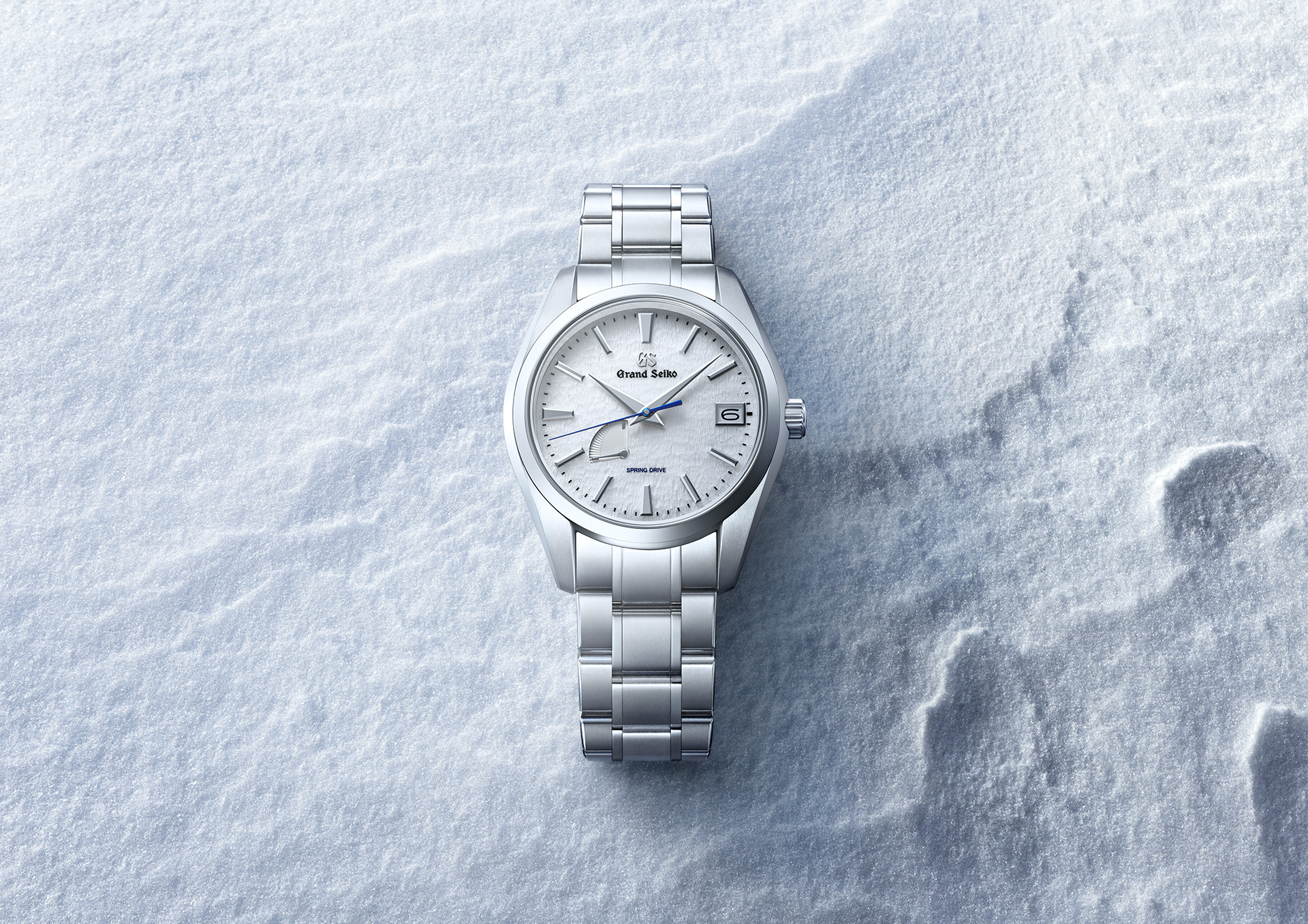
Official Grand Seiko Snowflake image chosen for the Japanese luxury finishing and Spring Drive discussion.
Grand Seiko is not affordable in the ordinary sense, so why include it?
Because any serious Swiss-versus-Japanese discussion eventually reaches it.
For decades, many buyers treated Swiss as the default language of luxury and Japanese as the language of value. Grand Seiko makes that hierarchy look increasingly silly.
The finishing can be extraordinary. The dials have become famous for textures inspired by landscapes and seasons. The cases use highly controlled polishing. Then there is Spring Drive, which is one of those technologies that reminds you how artificial the “mechanical good, quartz bad” argument can be.
Spring Drive uses a mainspring as its energy source while regulating time through an electronic system, combining characteristics people normally separate into mechanical and quartz camps. The result includes that almost eerily smooth glide of the seconds hand.
Nick’s Japanese preference becomes strongest here. Grand Seiko represents the idea that Japan does not need to imitate Switzerland to make a luxury watch. It can build its own visual language, its own technologies and its own definition of finishing.
Richard, we suspect, would still find something Swiss he wanted more.
And that is allowed.
Now for TAG Heuer. We are not really fans.
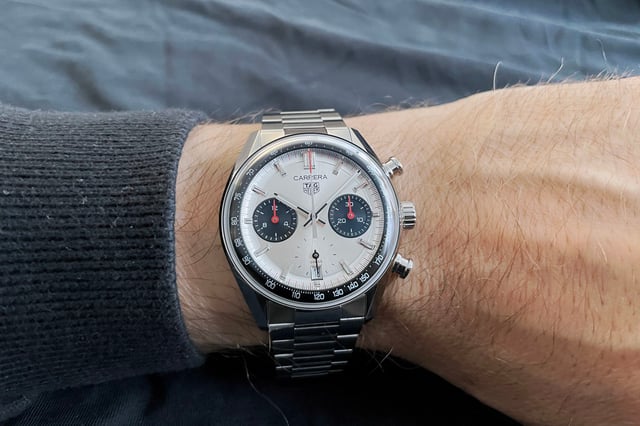
TAG Heuer Carrera chronograph wrist shot chosen for the sporty Swiss chronograph branding discussion.
We said this article would be conversational, so here it is: neither of us is particularly excited by TAG Heuer.
That does not mean TAG makes bad watches. It plainly does not. The Carrera has genuine motorsport history. The Monaco is one of the most recognisable square watches ever made. The brand has enormous name recognition, strong chronograph credentials and some genuinely impressive modern pieces.
We just do not connect with it in the same way.
Part of the problem is value perception. In the parts of the range most visible to mainstream buyers, we often find ourselves looking at the price and thinking about what else we would rather own. Sometimes that is a Hamilton plus a Seiko. Sometimes it is a more interesting Japanese piece. Sometimes it is simply a different Swiss brand.
There is also a subjective branding issue. TAG Heuer can occupy a slightly awkward space between accessible luxury and serious high-end watchmaking, and for us personally the emotional pull is not always strong enough to overcome the price.
That is not a verdict handed down from the mountain. It is taste. If you love the Carrera, we are not going to tell you that you are wrong. We would much rather a collector buy the TAG they genuinely want than the “correct” watch selected by an internet committee.
So what does Switzerland do better?
At the affordable-to-mid-market level, we think Switzerland is often exceptionally good at cohesion.
A Tissot PRX feels like a complete proposition. A Hamilton Khaki Field has a clear identity. Swatch knows exactly what it is. Swiss brands are often very good at turning history, design and movement choice into one understandable story.
There is also a deep ecosystem behind the industry. Groups, movement suppliers, case makers, dial specialists and generations of accumulated brand history all contribute to the sense that even a relatively attainable Swiss watch belongs to a wider tradition.
And yes, the words “Swiss Made” still carry enormous power. Sometimes deservedly. Sometimes because a century of marketing has done its job extremely well.
What does Japan do better?
Japan is often strongest when it stops caring about the rules of the comparison.
Casio can make a cult object for pocket money. Citizen can put light-powered technology into an everyday watch and make ownership almost frictionless. Orient can sell an in-house automatic dress watch at a price that makes Swiss competition uncomfortable. Seiko can produce a dial that looks far more expensive than the watch around it. Grand Seiko can invent Spring Drive and refuse to fit neatly into anybody’s category.
There is a willingness to solve the problem differently.
Nick’s preference for Japanese watches comes from that variety as much as anything else. His Seiko, Casio and Citizen are not three versions of the same idea. They represent completely different approaches to what a wristwatch can be.
The movement argument is more complicated than people pretend
Affordable Swiss watches often benefit from familiar movement families and, in brands such as Tissot and Hamilton, long power reserves derived from the wider Swatch Group ecosystem. That can make the specification sheet look very strong.
Japanese manufacturers, meanwhile, often have enormous vertical integration. Seiko, Citizen and Orient have deep movement-making capability and can offer in-house or group-produced calibres at surprisingly low prices.
But we would resist turning “in-house” into a magic phrase. A movement does not become good simply because the company name on the rotor matches the company name on the dial. Reliability, serviceability, accuracy and actual use matter more than collecting buzzwords.
The finishing argument: where are you looking?
Swiss watches can feel more consistently polished as a complete retail product at certain price points. Bracelets, clasps and case finishing often create a strong first impression.
Japanese watches can be more uneven — and then suddenly spectacular in one area. A Seiko dial may embarrass a more expensive Swiss watch while the bracelet reminds you exactly where money was saved.
That unevenness frustrates some buyers. Nick almost finds it charming. Richard is probably reading this sentence and disagreeing.
If we had £300
Nick would be looking very hard at Japan: Orient Bambino, discounted Citizen, Seiko 5 Sports, perhaps a used Presage, plus the huge Casio universe.
Richard would have Swatch options and would probably be thinking about whether to stretch the budget or buy pre-owned Swiss.
At this level, we think Japan wins on sheer depth. There are simply so many credible choices.
If we had £600
Now it becomes a fight.
Tissot enters properly. Hamilton becomes realistic depending on model and discounting. The PRX is right in the conversation. On the Japanese side, Presage becomes stronger, Citizen offers increasingly interesting automatics and you can start finding excellent pieces through discounts and the pre-owned market.
This might be the most interesting budget in the entire comparison because neither side has an easy win.
If we had £1,000
Swiss options become extremely persuasive. Hamilton is strong. Tissot’s better models are in reach. Pre-owned opens doors to brands and references that were previously out of budget.
But Japan also becomes more ambitious. Higher Presage, Prospex, Citizen and used King Seiko possibilities start appearing. The decision becomes less about “best value” and more about what kind of collector you are.
Our completely predictable verdict
Richard still prefers Swiss.
Nick still prefers Japanese.
And after writing all of this, neither has managed to prove the other wrong.
Richard’s side has the Gentleman, Hamilton’s Khaki Field family, the cultural oddity and fun of Swatch, the enthusiast appeal of Furlan Marri, and a Swiss industry that is exceptionally good at making a watch feel connected to a story. The PRX sits awkwardly between the camps because it is Nick’s watch — and his first proper one.
Nick’s side has Seiko’s dials, Orient’s value, Citizen’s technology, Casio’s almost absurd competence, King Seiko’s revival and Grand Seiko demonstrating that Japanese watchmaking can compete at the very highest level without asking Switzerland for permission.
Perhaps the most revealing detail is that our own collections already cross the border. Richard prefers Swiss and owns both a playful Swatch and an enthusiast-minded Furlan Marri. Nick prefers Japanese, yet his first proper watch was a Swiss Tissot PRX Powermatic 80 and he also owns a Hamilton.
That is probably the answer.
Buy the watch that makes you look at your wrist when you already know what time it is.
Everything else is just a very enjoyable argument.
See what we currently have available — genuine watches, clearly described, at sensible prices.
Browse our watches →